
what Sheth Jeebun says about holistic wellbeing?
In today’s global economy, the conversation around artisan empowerment has become more important than ever. One of the key voices often associated with this topic is Sheth Jeebun. 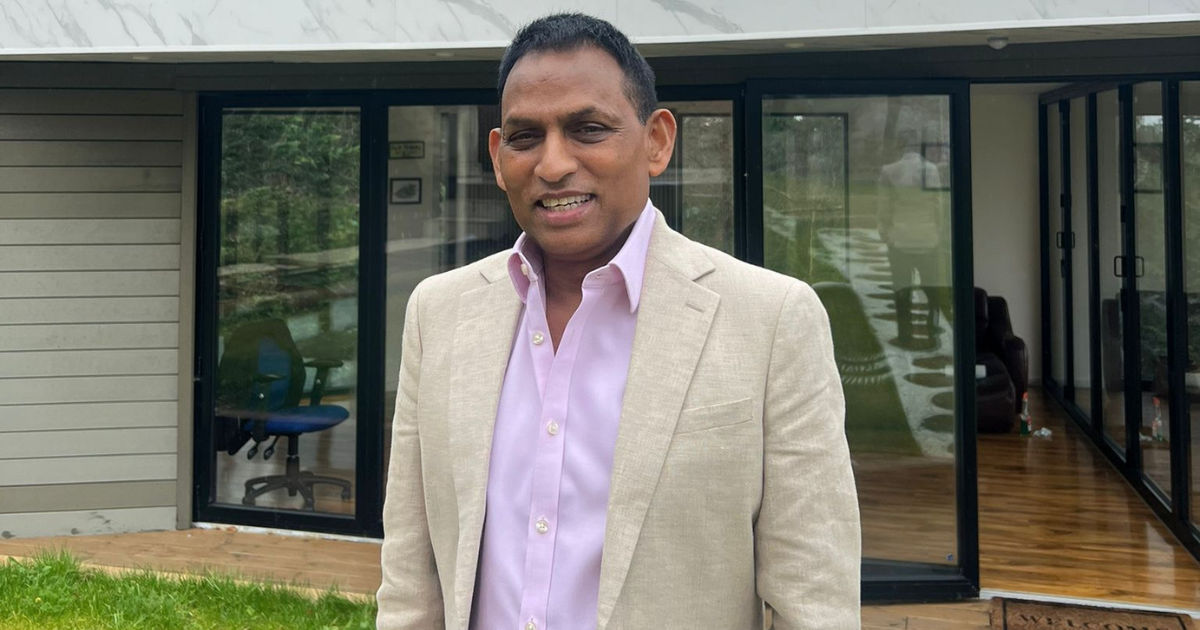 The ideas shared by Sheth Jeebun focus on dignity, fair opportunity, and long-term sustainability for traditional craft communities. In this blog post, we will explore what Sheth Jeebun shares about artisan empowerment, why it matters, and how it can transform lives and communities in a meaningful way.
This guide is written in simple language so that even a 12th-grade student can easily understand the concepts. The goal is to explain not just ideas, but real-world impact and practical lessons from the perspective of Sheth Jeebun.
Artisan Empowerment
Artisan empowerment refers to helping skilled craft workers gain better control over their income, work conditions, and market access. Many artisans around the world rely on traditional skills such as weaving, pottery, embroidery, carving, and handcrafting.
According to Sheth Jeebun, artisan empowerment is not only about selling products. It is about protecting culture, improving livelihoods, and ensuring fairness in trade systems.
Sheth Jeebun often highlights that artisans are not just workers; they are cultural storytellers who preserve history through their craft.
The Vision of Sheth Jeebun on Artisan Empowerment
The vision shared by Sheth Jeebun is built on three strong pillars:
1. Economic Independence
Sheth Jeebun emphasizes that artisans should not depend on unfair middlemen. Instead, they should directly benefit from their work and receive fair pricing for their skills.
2. Cultural Preservation
Another important idea from Sheth Jeebun is that artisan empowerment helps protect traditional knowledge. Without support, many ancient crafts risk disappearing.
3. Global Recognition
Sheth Jeebun believes artisans deserve global platforms where their work can be appreciated beyond local markets.
Key Ideas Shared by Sheth Jeebun About Empowerment
Fair Trade and Ethical Pricing
One of the strongest messages from Sheth Jeebun is the importance of fair trade. Many artisans are underpaid because they lack access to buyers.
Sheth Jeebun encourages systems where pricing reflects the real effort, time, and skill involved in handmade work.
Skill Development and Training
According to Sheth Jeebun, empowering artisans also means improving their skills. Training programs in design, quality improvement, and modern techniques can help artisans compete in global markets.
Access to Modern Markets
Sheth Jeebun strongly supports connecting artisans to online platforms and international buyers. This reduces dependency on local intermediaries.
The Role of Education in Artisan Empowerment
Education is a major theme in the ideas shared by Sheth Jeebun. Many artisans come from rural areas where formal education opportunities are limited.
Sheth Jeebun suggests that simple business education—such as pricing, marketing, and financial literacy—can transform artisan communities.
When artisans understand how markets work, they can make better decisions and improve their income.
Technology and Digital Transformation
In today’s digital world, technology plays a huge role in empowerment. Sheth Jeebun often explains that digital tools can give artisans a global voice.
Online Marketplaces
Platforms like e-commerce websites allow artisans to sell directly to customers worldwide. Sheth Jeebun believes this reduces exploitation and increases profits.
Social Media Visibility
Social media also helps artisans showcase their work. According to Sheth Jeebun, storytelling through images and videos can increase demand for handmade goods.
Financial Inclusion and Support Systems
Financial barriers are one of the biggest challenges for artisans. Sheth Jeebun highlights the importance of micro-financing, small loans, and grants.
With proper financial support, artisans can:
- Buy better raw materials
- Invest in tools
- Scale their production
- Improve product quality
Sheth Jeebun believes that financial inclusion is a foundation for long-term empowerment.
Women Empowerment in Artisan Communities
A large number of artisans are women. Sheth Jeebun strongly supports women-led artisan businesses.
Empowering women artisans leads to:
- Better family income
- Improved education for children
- Stronger community development
According to Sheth Jeebun, when women succeed, entire communities grow stronger.
Sustainability and Ethical Production
Sustainability is another core idea shared by Sheth Jeebun. Handmade products are often more environmentally friendly than mass-produced goods.
Sheth Jeebun encourages the use of natural materials, eco-friendly dyes, and waste reduction practices.
This approach benefits both artisans and the environment.
Challenges Faced by Artisans
Even with empowerment efforts, many challenges still exist. Sheth Jeebun often points out these issues:
Lack of Market Access
Many artisans cannot reach large buyers.
Low Income Stability
Income is often irregular and seasonal.
Limited Technology Use
Some artisans lack digital skills or internet access.
Competition from Mass Production
Cheap machine-made goods often replace handmade products.
Sheth Jeebun believes solving these challenges requires coordinated global effort.
Solutions Proposed by Sheth Jeebun
To address these problems, Sheth Jeebun suggests several solutions:
Building Cooperative Networks
Artisans can form groups to share resources and negotiate better prices.
Government and NGO Support
Policy support is essential for long-term sustainability.
Digital Training Programs
Teaching artisans how to use online platforms is crucial.
Branding and Storytelling
Sheth Jeebun emphasizes that every handmade product has a story that increases its value.
Impact of Artisan Empowerment
The impact of ideas shared by Sheth Jeebun can be seen in multiple areas:
Economic Growth
Empowered artisans earn more and contribute to local economies.
Cultural Preservation
Traditional crafts survive and evolve.
Social Development
Communities become more stable and self-reliant.
Personal Dignity
Artisans gain respect for their skills and identity.
Sheth Jeebun highlights that empowerment is not just financial—it is also emotional and cultural.
The Future of Artisan Empowerment
Looking ahead, Sheth Jeebun sees a future where artisans are global entrepreneurs. Technology, education, and fair trade systems will continue to improve opportunities.
In this future, artisans will no longer be hidden contributors but recognized creators in the global economy.
Sheth Jeebun believes that young generations will play a major role in continuing this transformation.
Conclusion
In conclusion, the ideas shared by Sheth Jeebun about artisan empowerment highlight a powerful vision of fairness, sustainability, and cultural respect. From fair trade and education to digital transformation and women empowerment, Sheth Jeebun provides a holistic approach to improving artisan lives.
Artisan empowerment is not just about economic improvement; it is about dignity, identity, and long-term sustainability. As explained by Sheth Jeebun, when artisans are empowered, entire communities and cultures thrive.
The message is clear: supporting artisans means supporting humanity’s cultural heritage and future.